Mastering the Art of Dough: Real Talk From My Kitchen
The Texture Test: When Is Dough “Just Right”?
When I first started working with enriched doughs like this one for baked paczki, I struggled with knowing how the dough should feel. Is it too sticky? Too dry? Should it tear? Here’s the deal: the perfect paczki dough should be soft, slightly tacky, but not gluey. It should stretch when you pull it not break. To test this, I often press a clean finger into the dough. If it springs back slowly and doesn’t stick like raw glue, you’re golden.
Don’t Rush the Rise
Oh boy, have I learned this the hard way. On colder days, the dough can take forever to rise, and in my early baking days, I got impatient. I baked them too soon, and they came out dense and dry not even powdered sugar could save them. Now, I use tricks like preheating my oven for a minute, then turning it off to create a warm space. Another tip? Place a cup of hot water in the oven beside the dough it adds just the right humidity to boost yeast activity.
Shaping Paczki Perfectly Every Time
Uniformity matters. Not just for presentation, but for even baking. I use a digital scale to portion out my dough balls. Around 50-60g each tends to work best for a moderate-size paczek. Roll them with your palm in circular motions on an unfloured surface this creates surface tension and ensures they bake up round and smooth instead of lumpy and cracked.
What to Do When You Overbake
We’ve all been there. You get distracted, they bake a minute too long, and now they’re… dry. Not ruined, though! A great trick I’ve used: lightly brush the overbaked paczki with a syrup made from equal parts water and sugar. You can even flavor the syrup with a splash of vanilla or citrus zest. This revives the interior without turning them soggy. Let them rest for 5 minutes and voilà back to pillowy soft.
The Battle of the Fillings
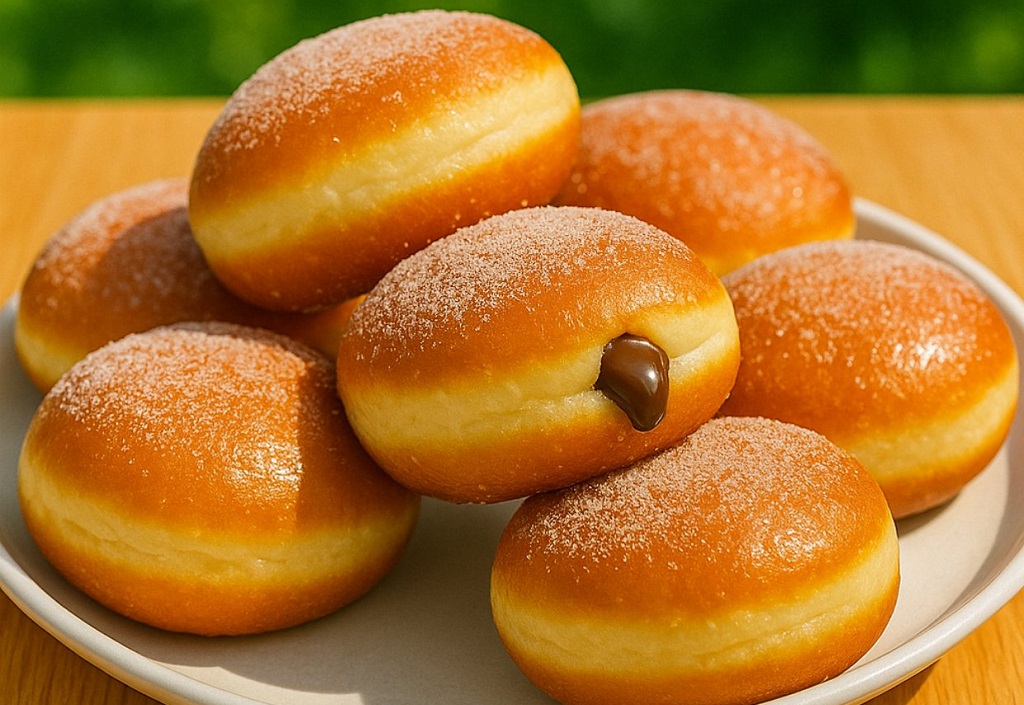
Another learning curve was figuring out the best way to fill baked paczki. The trick? A long piping tip or filling injector. I use a chopstick to gently create a tunnel inside each donut first careful not to poke through the other side. Then I fill until I see just a bit peeking out. Overfilling causes leaks, underfilling feels stingy. My tip: 1.5 to 2 teaspoons is the sweet spot for most fillings.
Bonus Hack: Double Bake for Crisp Tops
Want an extra golden finish? Here’s a secret I rarely see shared: pop the baked paczki back in the oven under the broiler for 30-60 seconds. Keep an eye on them they’ll develop a deeper golden hue with a subtle crispness on the top while keeping the inside soft. It’s not traditional, but wow it takes the texture to another level, especially if you’re going for a sugar glaze on top instead of a dusting.
“Every paczek teaches you something. Whether it’s dough handling or flavor balance this recipe is a teacher wrapped in a pastry.” @BakingWithBasia
Creative Ways to Customize
- Chocolate Lovers: Fill with chocolate ganache and top with cocoa dust.
- Tropical Vibe: Pineapple jam + coconut glaze = sunshine in a bite.
- For Kids: Rainbow sprinkles in the dough or marshmallow fluff filling.
- Holiday Special: Eggnog custard or gingerbread-spiced sugar topping.
If you’re into light, airy textures in baked sweets, try these perfect fluffy vanilla cupcakes they’re soft, simple, and pair beautifully with fruit fillings just like paczki.
Calories and Nutrition
- Calories per serving: Approximately 200 (without filling)
- Fat: 8g
- Carbohydrates: 28g
- Protein: 4g
- Cholesterol: 45mg