️ How to Use It (Step-by-Step)
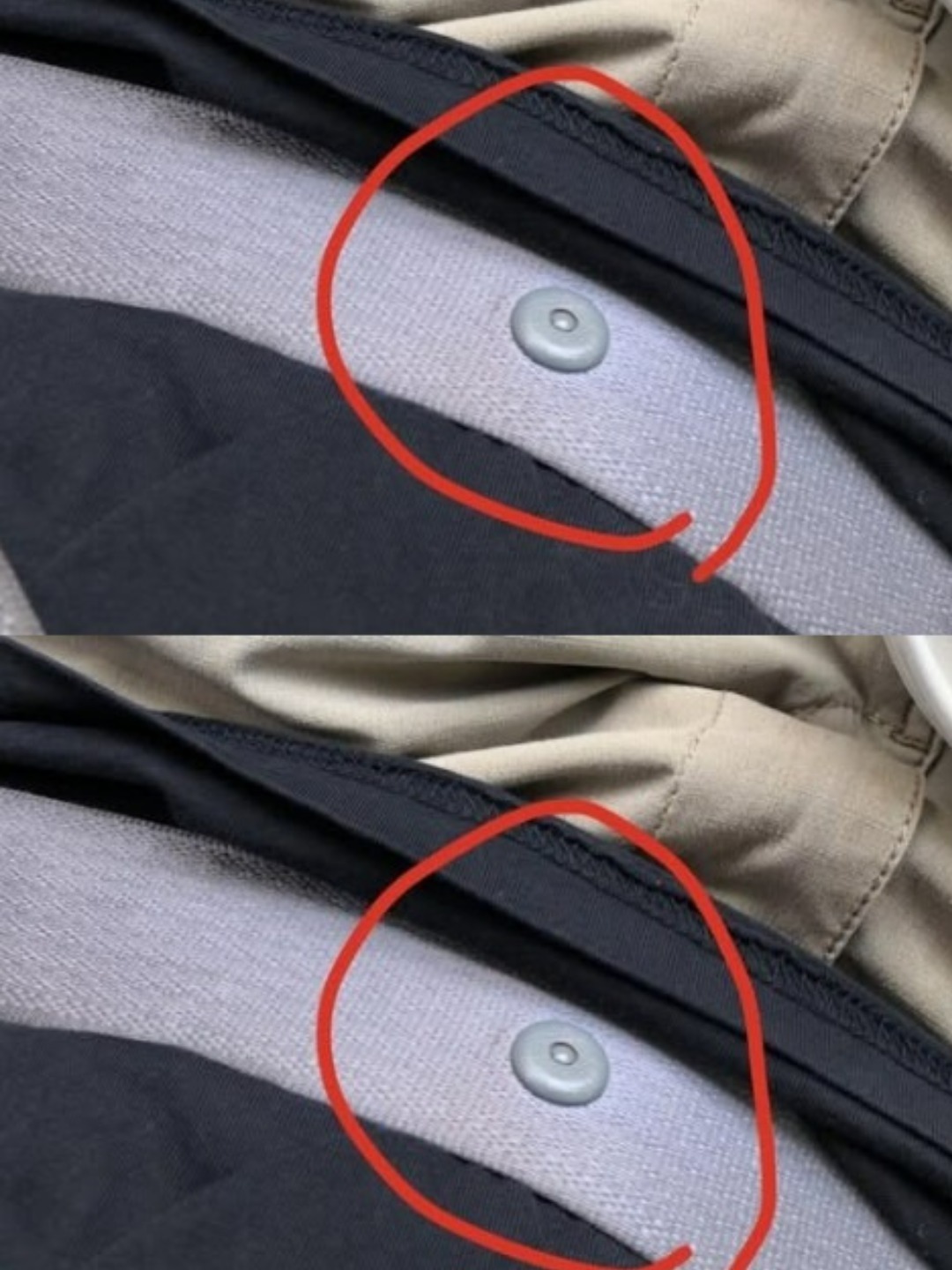
Locate the button — It’s usually a small, round plastic tab near the top of the seat belt guide.
Press and hold — Push it in with your thumb or finger.
Slide the belt up or down — While holding the button, move the entire seat belt guide along the track.
Release — Let go when the belt rests comfortably over your shoulder (middle of collarbone).
Test it — Tug gently — it should stay locked in place.
Ideal position: The shoulder strap should cross your mid-chest and mid-shoulder, not your neck or arm.
✅ Who Should Use This Feature?
Almost everyone — especially:
✅ Shorter drivers
Prevents belt from cutting across the neck
✅ Taller passengers
Stops the belt from slipping behind the back
✅ Pregnant women
Helps position the lap belt under the belly (though shoulder strap should still be used)
✅ Kids in booster seats
Ensures proper belt alignment across the shoulder
⚠️ Never disable or block the seat belt — always wear it correctly.
❌ Common Myths Debunked
❌ “It disconnects the seat belt”
No — it only adjusts height; the belt stays securely attached
❌ “Only tall people need it”
False — short drivers often need it lowered for comfort
❌ “Moving it damages the system”
No — it’s designed to slide safely along a metal rail
❌ “All cars have it”
Not true — some older models don’t have adjustable anchors
Check your owner’s manual — many vehicles label this feature inside the door jamb or in the safety section.
Safety Tips You Need to Know
✅ Always wear the seat belt properly
Shoulder strap over the shoulder, lap belt low on hips
✅ Don’t let the belt rest under your arm or behind your back
In a crash, this can cause serious internal injuries
✅ Teach passengers how to adjust it
Especially teens and frequent riders
✅ Keep the track clean
Dust and debris can make adjustment harder over time
According to the NHTSA, seat belts save thousands of lives each year — when worn correctly.